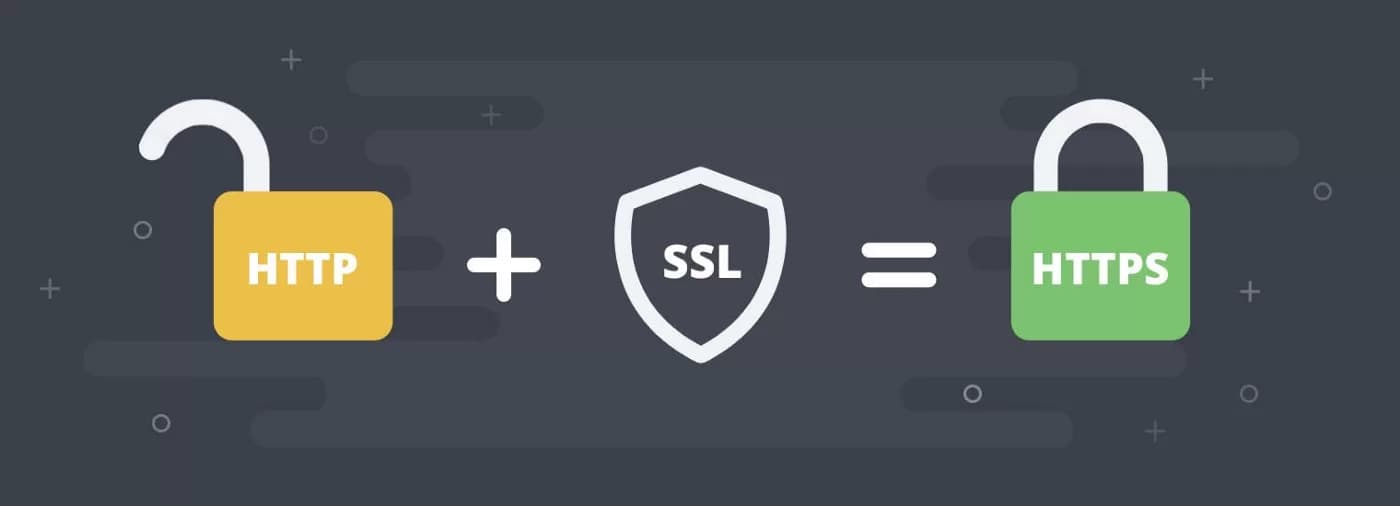
HTTPS uses TLS to protect traffic between connection endpoints. “SSL certificate” remains a common commercial term, but modern secure connections use TLS rather than the obsolete SSL protocols. A valid certificate helps a browser authenticate the requested hostname; it does not prove that the website's business or content is trustworthy.
What TLS protects
The TLS 1.3 specification describes authentication, confidentiality and integrity for the connection. These protections depend on correct configuration and validation. They do not remove malware, authorize users, protect an already compromised endpoint or automatically encrypt stored application data.
If a proxy or CDN terminates TLS, the browser-to-edge and edge-to-origin connections are separate. Check origin authentication and encryption as well as the browser-facing certificate.
Validation type is not encryption strength
Domain Validation establishes control of the domain through the issuer's validation process. Organization and Extended Validation involve additional identity checks; they do not inherently make the TLS cipher stronger or guarantee honest behavior. Choose an appropriate issuer and certificate scope, not an unsupported claim that a more expensive certificate secures the whole application.
Let's Encrypt issues DV certificates and explains its service and scope. The certificate's covered names, trust chain and validity must fit the endpoints you serve.
Deploy and verify
- List every hostname that needs HTTPS, including relevant subdomains.
- Complete the issuer's domain-control validation and protect private keys.
- Install the certificate and required chain on the actual TLS termination point.
- Request the real hostname from a current client and check name matching, validity and trust.
- Check redirects, mixed content and any separate origin connection.
- Test renewal and the reload or deployment step that makes the renewed certificate active.
Monitor the served certificate, not only an issuance email or a renewed file on disk. Avoid publishing private keys or disabling client verification to hide a certificate error.
When HTTPS still fails
Record the exact hostname, client error, served certificate and time. A name mismatch, incomplete chain, expired certificate or incorrect DNS destination needs a different repair. Reissuing repeatedly without identifying the cause can leave the fault unchanged.
For a website placed behind Cloudflare, see DNS and edge/origin verification. WebCare360 publishes this explanation as a hosting provider; certificate management and application security remain separate service responsibilities.