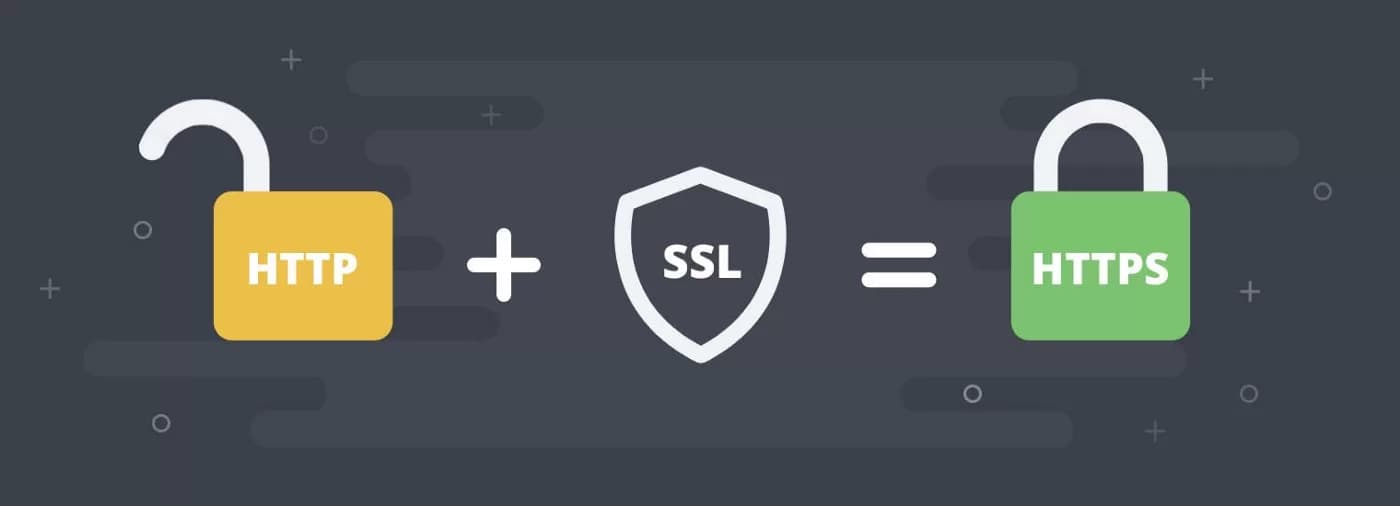
AutoSSL manages certificate issuance and renewal for eligible domains on a cPanel & WHM server. Server-wide provider configuration belongs in WHM; an ordinary cPanel account cannot change that configuration. Availability depends on the server's settings.
For a website owner
Open the account's SSL/TLS Status interface if your provider exposes it. Check the affected hostname and certificate status, then use the available AutoSSL action or ask support to review the failure. Supply the hostname, time and displayed validation message. Do not send account passwords or private keys.
Check that the hostname resolves to the intended service before requesting a certificate. A certificate for one hostname does not automatically cover every alias or subdomain. After issuance, test the exact HTTPS address your visitors use; certificate issuance alone does not fix mixed content or application redirects.
For an authorized WHM administrator
Use Manage AutoSSL to review the selected provider, account eligibility and logs. Current cPanel documentation identifies Let's Encrypt as the available provider. The older cPanel-branded Sectigo integration is not a current setup option; see cPanel's provider transition guidance.
Confirm the relevant account is enabled, inspect its validation results and address the recorded cause before repeating a run. Do not remove a working certificate merely to retry issuance. If DNS or a proxy is involved, coordinate changes with whoever controls that system.
Verify the outcome
Record which names are covered and whether the certificate is valid when accessed externally. Monitor renewal errors rather than assuming that enabling AutoSSL makes every future renewal succeed. For a persistent failure, escalate the specific log entry and domain-validation problem to the server administrator.