As online privacy concerns continue to grow, many businesses and individuals are exploring offshore web hosting as a flexible and secure solution. Instead of focusing on a single hosting type, it’s important to understand how offshore hosting works, what options are available, and how each fits different use cases. In this guide, we break down offshore hosting in a simple way covering its benefits, types, and key factors to help you choose the right solution for your needs.
What is Remote Server Systems?
Remote server systems is a service in which businesses remotely let other companies maintain their website on a server. The term “offshore” refers to the fact that the website server is based in a different country from where your website is registered. It has become more widespread due to increasing concerns about confidentiality breaches.
Offshore hosting comes with several advantages such as enhanced security, data protection, freedom of expression, tax benefits, and more. It provides data protection and privacy. Scroll down to know more about it!
Key Points of Remote Server Systems
-
- Foreign Server Location: The main feature of offshore hosting is that the server is located outside your home country. Many hosting providers act according to the commands of international laws, but not all do.
-
- DMCA Compliance: The DMCA (Digital Millennium Copyright Act) is a U.S. copyright law that many overseas hosting providers take notice of. If you want to host content that could probably break copyright laws, choose a provider that doesn’t comply with DMCA.
-
- Not Everything is Allowed: While offshore hosting can help dodge certain laws, it doesn’t mean you can do anything illegal. Activities like hacking, malicious attacks, or hosting harmful scripts are prohibited.
Types of Remote Server Systems
Choosing the right type of Remote Server Systems
depends on your website’s indispensable requirements. You must consider storage, bandwidth, and website traffic, such as regular hosting.
- Offshore Shared Hosting is great for beginners or small websites with limited resources.
- Offshore VPS (Virtual Private Server) is perfect for growing websites needing more control and resources.
- Offshore Dedicated Hosting is best for large websites with high traffic or special needs.
How is Remote Server Systems
Hosting beneficial?
Here are some major benefits:
-
- Hosting remotely can significantly safeguard your website from data violations and hacking. Some offshore hosting providers offer more potent privacy policies, helping protect your personal and business information.
-
- In some countries, online speech is restricted. Offshore hosting lets you bypass these restrictions and express yourself voluntarily.
-
- Offshore hosting is usually more affordable as its operating costs, like taxes and labor, may be lower in some countries.
-
- Offshore hosting provides various hosting programs, servers, and software alternatives, giving you more authority over your website.
-
- With offshore hosting, your website can benefit from speedier load times and more satisfactory uptime, which is especially essential for global audiences.
Key Factors to Evaluate when Choosing an Offshore Web Host
When determining an offshore hosting provider, don’t forget to consider the following factors:
-
- Ensure the host offers high operation time and good performance, such as Webcare360. A website with poor uptime can lose visitors and customers.
-
- Look for offshore hosts that offer dedicated customer support through live chat, phone, or email. Fast reply times are essential for troubleshooting any concerns.
-
- Always check if the host presents secure servers with firewall security, regular backups, and other security measures to protect your website from hackers, malware, and data loss.
- Offshore hosting can provide greater anonymity. Many hosts offer various payment methods, which can help protect your identity.
- Some people choose offshore hosting to reduce their country’s high hosting expenses. Offshore website hosting may also offer more reasonable prices, especially in countries with lower taxes and operational costs.
How Hosting Infrastructure Is Structured Globally
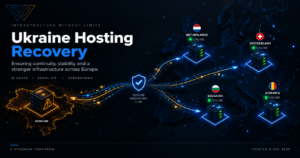
Modern hosting infrastructure is built around networks of distributed servers located in data centers across different regions of the world. This approach allows hosting providers to deliver content and services more efficiently to users, regardless of their location.
To improve performance, providers use latency optimization techniques that route users to the nearest available server, reducing loading times and enhancing the overall user experience. Regional data centers play a key role in this process by storing and processing data closer to end users.
Global hosting infrastructure must also account for compliance differences between countries and regions. Data privacy laws, content regulations, and security requirements can vary significantly, so hosting providers often choose specific data center locations to meet local legal and regulatory standards while maintaining reliable service.
Final Thoughts
Offshore web hosting offers flexibility, privacy, and performance advantages for a wide range of projects. From shared hosting to VPS and dedicated infrastructure, each option serves different needs depending on your budget and technical requirements. The key is to choose a hosting approach that aligns with your current goals while allowing room to scale as your project grows.
Offshore hosting is one approach within global website infrastructure that focuses on distributing servers across different regions. Understanding how these systems work
can help businesses make better decisions about performance, privacy, and scalability
requirements.
What is remote server systems?
Remote server systems is when your website is hosted on servers located in another country. This offers more privacy, stronger data protection, and freedom from local restrictions.
Why should I choose offshore hosting over regular hosting?
Remote server system provides enhanced privacy, legal protection, freedom of content, and often stronger security compared to traditional local hosting providers.
Is remote server systems hosting legal?
Yes, remote server system is legal as long as your website complies with international laws and does not engage in illegal activities such as copyright infringement.
Who needs remote server systems the most?
Businesses in finance, crypto, gaming, and media, along with bloggers, publishers, and e-commerce stores targeting international audiences, benefit the most.
What types of remote server systems hosting are available?
The main types include shared hosting, VPS hosting, dedicated servers, cloud hosting, managed hosting, and reseller hosting, each suited for different needs.
How does remote server system's hosting improve website security?
Most remote server system providers include advanced DDoS protection, strong firewalls, regular backups, and malware protection, keeping your website secure from attacks.
Can remote server system hosting improve website speed?
Yes, remote server system hosting can improve website speed by providing better resources, optimized infrastructure, and reliable network connectivity for faster content delivery.
What factors should be considered when evaluating hosting infrastructure?
When evaluating hosting infrastructure, consider performance, scalability, security, reliability, network quality, support, and disaster recovery capabilities.