To evaluate a TheOnionHost alternative, first identify which service you are replacing and the limits your workload actually uses. A shared account described with CPU percentages and I/O limits cannot be compared with a VPS by matching a headline price or a memory figure alone. Build an equivalent-service brief before asking another provider for a quote.
WebCare360 publishes this guide and sells competing hosting services. This is an editorial comparison method based on public documentation checked on 27 September 2026, not independent performance testing, a customer survey or a ranked list of providers.
Start with the correct TheOnionHost service
TheOnionHost's published catalogue separates shared hosting, VPS and dedicated offerings. Its shared cards list CPU percentage, memory, I/O, IOPS, website limits and LiteSpeed Enterprise. VPS cards use vCPU, memory and storage fields; dedicated cards include a network uplink. These are advertised specifications, not measurements of your application or confirmation of every contractual inclusion.
Record your exact plan, region, billing term, control panel and installed application requirements from your own account and agreement. Save the current specification with its date. If the public card and your order differ, ask which specification governs your existing service before treating either as the replacement baseline.
Shared hosting: carry the limits and platform dependencies forward
For a shared account, request the candidate's definition of CPU allocation, memory enforcement, storage throughput and operation limits. Ask what happens when each limit is reached, which usage measurements you can see and whether a short burst is handled differently from sustained load. An omitted limit is an unanswered question, not evidence of unlimited capacity.
CloudLinux's resource-limit documentation illustrates why units matter: its SPEED percentage is relative to a single core, IO limits throughput and IOPS limits operations. This is an example of one implementation, not evidence that TheOnionHost uses that implementation. Ask each provider to identify the meaning of its own figures.
List dependencies separately: required PHP versions and extensions, database compatibility, scheduled jobs, outbound email, cache behavior, certificate renewal and account export. If your application depends on a particular server or cache feature, obtain confirmation for that feature rather than assuming any plan using the same product name will behave identically.
Moving to a VPS changes the comparison
A proposed VPS replacement needs more than a nominal CPU and memory match. Request the CPU sharing or dedication policy, any fair-use limits, storage limits, virtualization details and supported operating-system images. Root access does not specify who maintains the operating system, control panel or application.
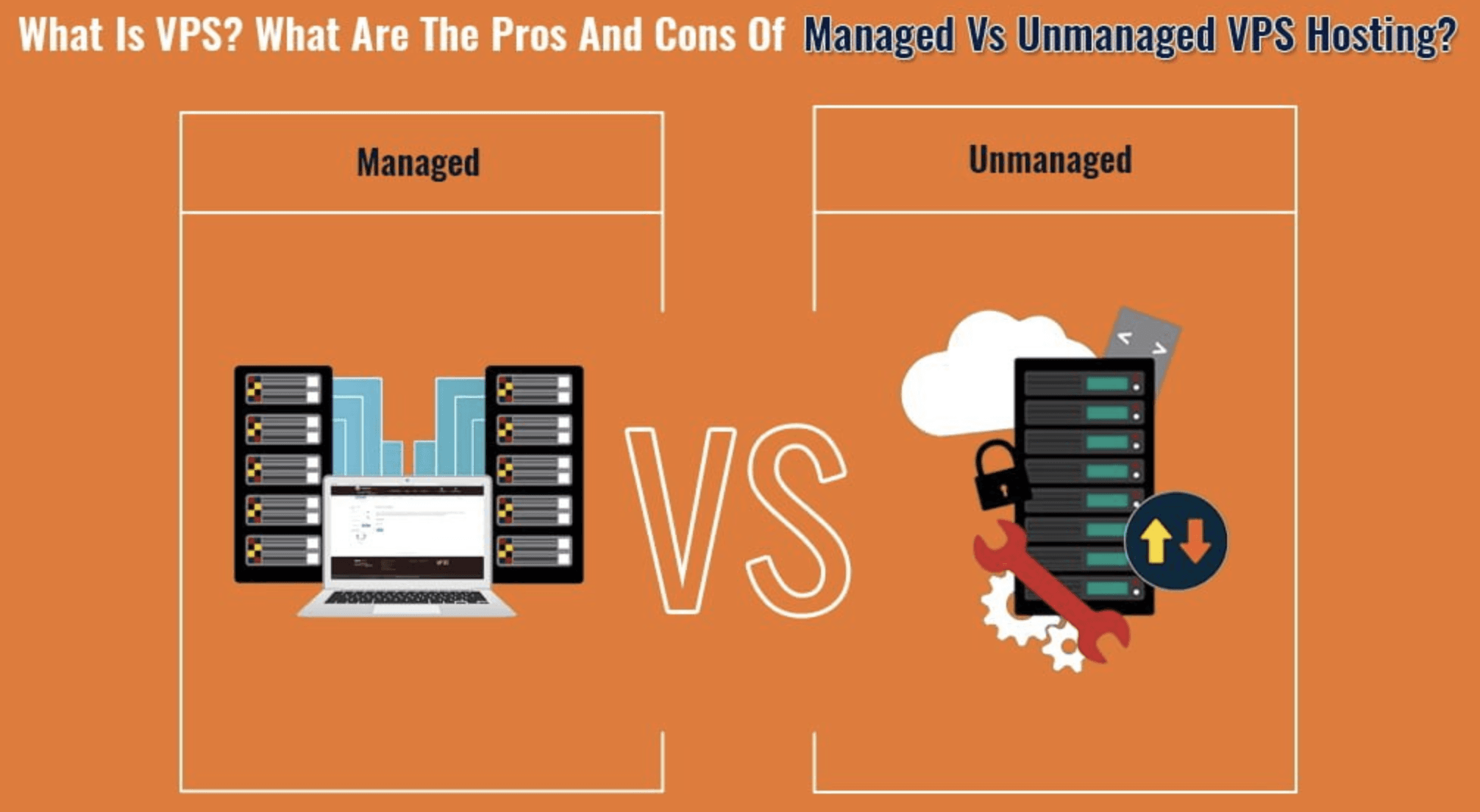
Use the managed versus unmanaged VPS guide to allocate those responsibilities. Ask who performs updates, monitors failures, restores backups and handles compromised applications. Include required software licences and administration in the recurring cost. If you cannot operate the replacement, a larger resource allowance does not close that gap.
Keep network throughput and attack protection separate
TheOnionHost's dedicated cards present uplink and DDoS figures as separate fields. Do the same in your replacement brief. Ask a candidate to distinguish service port rate, transfer allowance, billing period, excess-use terms and mitigation scope. Do not use a mitigation headline as the application's available connection speed.
For a network-dependent workload, agree a permitted test using representative destinations, protocols and traffic before ordering. Record the test conditions and limitations. A successful short test is evidence for those conditions, not a guarantee of future throughput or uninterrupted service. Ask separately how incidents are reported, what support covers and what remedies the contract provides.
Use an equivalent-service worksheet
| Replacement requirement | Existing-service evidence | Candidate evidence |
|---|---|---|
| Service boundary | Exact shared account, VPS or dedicated order and management scope. | Same boundary, or a deliberate change with an identified operator. |
| Resource limits | Plan definitions and observed demand during a representative workload. | Written limit definitions, enforcement behavior and unresolved differences. |
| Application platform | Required versions, extensions, jobs, cache and email dependencies. | Explicit compatibility confirmation and an agreed validation procedure. |
| Network and protection | Port, transfer terms, audience requirements and applicable incident scope. | Equivalent units and contract terms; separate protection and throughput answers. |
| Recovery and exit | Export access, backup ownership and cancellation requirements. | Import method, restore validation, rollback owner and retention terms. |
| Total cost | Recurring service, licences and operational work. | Setup, renewal, licences, backups, traffic and management on the same term. |
For example, a shared-site operator may receive a VPS quote with more memory but no application administration or equivalent backup service. Mark those rows unresolved until a responsible person and cost are identified. Compare the complete operating responsibilities before accepting the quote.
Check policy compatibility and validate the move
Obtain the candidate's current acceptable-use, privacy, support and cancellation terms for the proposed service. Resolve any conflict with your workload before committing. A payment method, location label or offshore marketing phrase is not a substitute for the applicable agreement. The separate guide to interpreting “DMCA ignored” hosting explains the limits of that label.
Before cancellation, establish that you can export the required data and configurations, validate a restore or import, and agree how writes and DNS changes will be coordinated. Preserve a rollback path and avoid promising zero downtime. Do not send credentials or customer data through an unverified support channel.
The useful result is a shortlist of equivalent offers with documented gaps, not a universal winner. For WebCare360's current service categories, consult Compare Infrastructure; use the written quotation and service terms for the actual purchase decision. After delivery, the service-acceptance guide addresses checking what you received.